

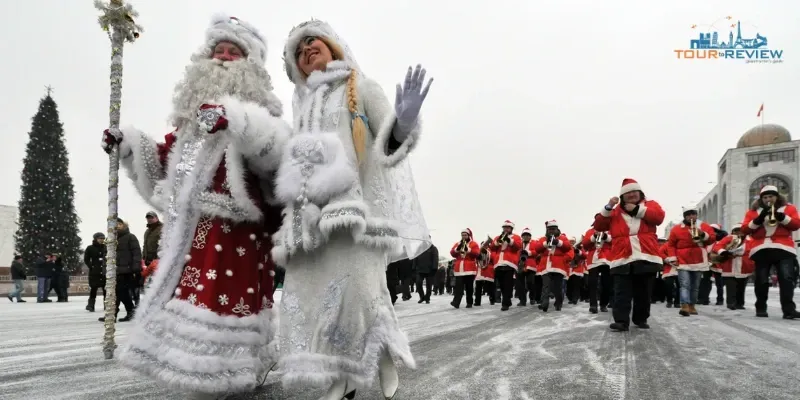
The time between the 25th of December and the 1st of January feels magical, doesn’t it? Happiness and joy are everywhere across the world, but after New Year’s Day, when holiday celebrations have ended in many countries, there are several countries and Orthodox Christian communities where Christmas celebrations occur later than 25 December, including Russia. Wondering who? We are talking about Christmas in Russia.
You must be thinking, why so late, right? Well, because their traditions are unique, deeply spiritual, and rich in history. If you truly want to understand the Russian xmas you have to come along with us to the standard December Calendar to know everything about how Christmas is celebrated in Russia.
Let’s Get Started!
Why Christmas in Russia is Celebrated on 7 January?
You must be wondering why Christmas in Russia is celebrated on 7 January; the answer lies in an old calendar. Most of the Western world uses the Gregorian Calendar. But the Russian Orthodox Church continues to use the Julian calendar for many religious observances, including Christmas. The Julian Calendar runs 13 days behind the Gregorian Calendar.
Because of this time gap, 25 December on the Julian calendar corresponds to 7 January on the Gregorian calendar. This date is not a modern twist. It is a deeply rooted religious tradition that has survived for centuries.
Fun Christmas Traditions in Russia
Many Russian Christmas celebrations are traditionally more religious and family-oriented than large public festivities. Many families gather for meals, religious observances, and seasonal traditions. Here are the unique customs that define the holiday-
- The Holy Supper: Some Orthodox families observe a Christmas Eve meal featuring multiple meat-free dishes after the first evening star appears.
- Ded Moroz: Ded Moroz (Grandfather Frost) and his granddaughter Snegurochka are traditional figures associated with gift-giving during New Year celebrations.
- Kolyadki Carolling: Participants may dress in costumes and perform traditional songs in exchange for treats, food, or small gifts.
- Sviatki Feasts and Family Visits: During Sviatki, families may visit relatives and neighbours, often sharing tea, pastries, preserves, and other festive foods.
- Decorations with a Russian Touch: Traditional decorations may include wooden toys, handmade ornaments, straw figures, and glass baubles, alongside modern decorations.
Travel Tips For Visiting Russia During Christmas
If you’re planning to visit Russia in January, schedule it for the first week of the month. The country transforms into a snowy wonderland, but travellers must be smart to enjoy it comfortably. Keep these important tips in mind for your journey:
- Pack Warm Layers: Pack woollen coats, thermal wear, waterproof footwear, gloves, and headgear to brace yourself against freezing temperatures.
- Reserve Tickets in Advance: Book your train and theatre tickets well in advance, since travel demand is often higher during the holiday period.
- Try Traditional Winter Food: Christmas in Russia is full of comforting dishes. Small cafes and family-run bakeries serve some of the best winter food, especially in older neighbourhoods.
- Carry Some Cash With You: Always keep some cash handy for minor purchases. Major restaurants, shops, malls, and hotels accept forex cards, but some smaller places, like street markets, may accept only cash.
- Use Local Public Transport Rather Than Taxi: Metro in cities like Moscow is extremely cozy, clean, and beautiful. You can avoid taking a taxi and travel by metro, as there’s a lot of traffic in the country during this time.
You Might Also Like – Things To Do In Russia: Top Activities and Experiences
The Magic of a Russian Winter During Christmas
Christmas in Russia offers a unique look into a deeply spiritual and historic culture. While most people return to work in early January, Russia continues its festive season with lights, traditional foods, and longstanding customs. Snow-covered streets and illuminated churches are common features of the holiday season in many parts of Russia. It can be an appealing destination for travellers who want to experience holiday traditions beyond 25 December, experience a magical, old-world winter, and stay longer.