

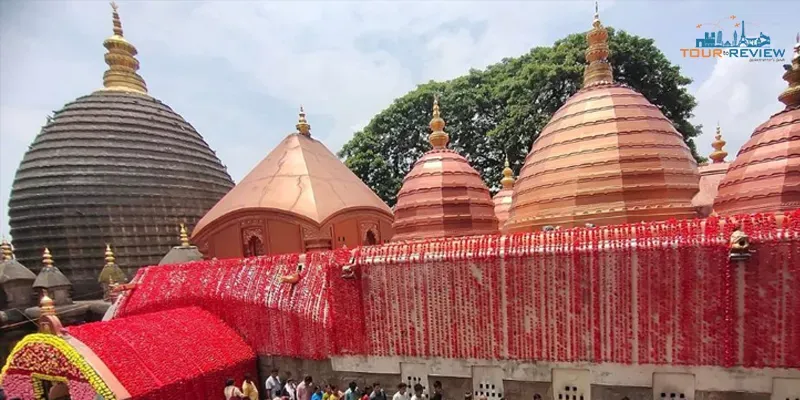
Every year, thousands of people, including devotees, sadhus, and tourists, travel to the famous Kamakhya Temple in Guwahati, Assam. They all gather to experience the Ambubachi Mela, which is one of the biggest and most unique festivals in India.
Unlike most Hindu festivals that celebrate a deity’s birth, victory, or marriage, this mela honours the natural cycle of womanhood and fertility.
Known as the ‘Mahakumbh of the East’, this festival attracts devotees from throughout the world. Here is a closer look at the immense significance of the festival and Goddess Kamakhya.
Why Does Ambubachi Mela Take Place?
This isn’t just any regular festival, but it’s a massive celebration. Every single year, lakhs of people flood in from all over, and officials are actually expecting around 7 lakh visitors this time. That makes it one of the biggest gatherings you will ever see in India.
The real reason everyone gathers together is honestly pretty fascinating. It’s all built around a unique belief that Goddess Kamakhya, who represents female power and fertility, goes through her yearly periods during these few days.
The temple remains closed for three days, as it is believed that the Goddess is resting. The Kamakhya Devi festival is one of the few festivals in India that openly celebrates this aspect of womenhood
Since Kamakhya is one of the most revered Shakti Peeths in India, this festival is celebrated lavishly.
Interesting Facts About Kamakhya Mela
If you are planning to attend the Ambubachi Mela in 2026, knowing about the facts makes the journey more interesting. Here are some facts about the Kamakhya Devi festival.
- Kamakhya Devi is one of the 51 Shakti Peeths in Hinduism.
- It is also known as the ‘Festival of Fertility’.
- During these three days, the regular worship and temple activities are suspended.
- There is no idol of the Goddess in the temple; instead, a natural rock fissure, revered as a manifestation of Goddess Kamakhya
- Though the temple is closed for three days, meditation, chant, and various tantric rituals are performed outside the temple.
Ambubachi Mela 2026: Date And Timing
The Mela is expected to be observed in June every year. This year (2026), it is taking place from June 22 to 25, following the traditional Hindu Calendar. The Kamakhya Devi festival generally begins when the Sun enters the Zodiac sign of Mithuna (Gemini). The dates of the mela may vary based on the temple authorities and astrological calculations.
The temple remains closed for approximately three days during the period of seclusion.
Day 1: Door closure begins
Day 2 and 3: No darshan is allowed
Day 4: Temple doors reopen, followed by a special prayer and darshan for devotees.
Venue: Kamkhya Temple, Nilachal Hill, Guwahati, Assam
Located atop the hills, the temple offers breathtaking views of Guwahati and the Brahmaputra River. People who visit Guwahati make sure to seek blessings from Kamakhya Devi. Besides, they enjoy sightseeing, nature, and Assam’s culture. Ambubachi Mela is one of the best times of the year to visit the Kamakhya Devi temple.
How to Visit Kamakhya Devi Temple?
Visiting the Kamakhya Devi temple is easy and convenient, as Guwahati in Assam is well connected by public transport. Here are some convenient ways you can travel there:
By Air
The nearest airport is Lokpriya Gopinath Bordoloi International Airport, situated about 20 km from the temple. Regular flights to Guwahati from various major cities such as Delhi, Mumbai, Kolkata, Bangalore, and Chennai are available. From the airport, tourists can hire taxis, app-based cabs, and other local transport services to reach the temple.
By Train
The city has the Guwahati Railway Station, located nearly 8 KM away from the Kamakhya Devi Temple. Being the major rail hub in Northeast India, it has direct rail connectivity with several cities across the country.
By Road
If you’re travelling to Guwahati for the festival, reaching the temple is relatively straightforward. The city is well-connected by National Highways and state transport services. Once you reach Guwahati by government or luxury bus, car, or taxi, there are auto-rickshaws, local buses, and other transport services to reach the Kamakhya Devi temple.
Although devotees visit throughout the year, the temple witnesses its largest crowds during Ambubachi Mela.
The Celebration of Menstruation
Ambubachi Mela is an occasion of faith and devotion. It is a celebration of feminine energy, fertility, and the life-giving force of nature. The festival stands out for its unique tradition, which is rarely celebrated elsewhere in the country.
It is considered one of the purest celebrations, providing a truly unforgettable experience. Plan to visit the temple in the early morning to avoid long queues and unnecessary crowds. Whether you are a pilgrim seeking blessings or a traveller interested in India’s rich cultural heritage, plan your visit to Kamakhya Devi Temple.
Frequently Asked Questions
What is the date of the Ambubachi Mela in 2026?
The Ambubachi Mela 2026 dates are 22-25 June. You can visit here in the early morning for a better experience.
Can we go to Ambubaachi Mela during menstruation (periods)?
Yes, women can visit the Kamakhya Devi festival during menstruation. There are no official restrictions from the temple authorities, though some people choose to follow their personal beliefs.
What should I wear to Ambubachi Mela?
Since it is a temple, wear modest, full-length clothes and a dupatta to cover your head, as per Hindu rituals. Lightweight, comfortable clothing is preferred due to the humid weather.
Which part of Sati fell in Assam?
According to Hindu mythology, Goddess Sati’s Yoni (Womb and genital region) is believed to have fallen at Kamakhya when Lord Shiv was performing Tandav. This makes it one of the 51 Shakti Peeths.
When does the Ambubachi Mela start?
Ambubachi Mela usually begins in June every year when Goddess Kamakhya is believed to undergo her annual menstrual cycle. The actual dates may vary depending on the Hindu Calendar.
