

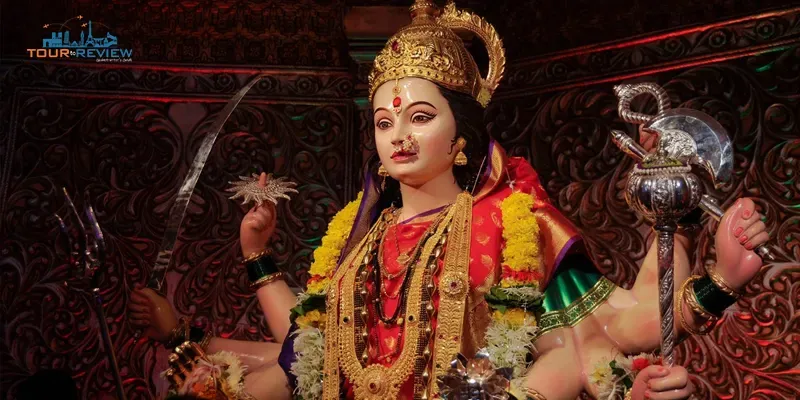
Navratri is one of the liveliest, most spiritually enlightening, and celebrated Hindu festivals. During Navratri, bhakts revere the Hindu goddess Durga along with her nine forms. The festival lasts nine days, and on each day, Goddess Durga is revered differently in different forms. Navratri helps us understand the Hindu culture and the divine feminine of this festival. Whether you’re researching for a school essay, looking for ways to celebrate the festival, or seeking deeper spiritual insight, this guide detailing 10 points on Navratri will illuminate the essence of these nine holy nights.
Why is Navratri Celebrated?
Navratri marks the triumph of God over evil. The festival celebrates the victory of Goddess Durga over the buffalo demon named Mahishasura. The demon had acquired invincible power over all men and gods in the world, creating havoc everywhere. After witnessing such an act, Brahma, Vishnu, and Shiva combined their universal powers to manifest Goddess Durga.
Goddess Durga battled the demon for nine successive nights with divine weapons and eventually defeated him on the tenth day, restoring order and justice to the universe. In Northern India, Navratri also celebrates the devotion of lord Ram towards Goddess Durga. To defeat King Ravan, lord Ram invoked Goddess Durga.
10 Points on Navratri: Core Aspects of the Festival
To gain all of the knowledge related to this festival, more closely, read these points on Navratri that tell everything about its rituals, geographical diversity, and inner meaning.
1.The Literal Meaning of the Festival
The word Navratri originates from two Sanskrit words, “Nava”, which means “Nine” and “Ratri”, which means “Nights”. And it’s true, as the festival is celebrated for 9 nights, with Vijayadashami on the tenth day.
2.Four Seasonal Celebrations in a Year
While most of the people are familiar with the grand autumn festival, Navratri actually occurs four times a year. These include Sharad Navratri (the most popular autumn festival), Chaitra Navratri (spring), Magha Navratri (winter), and Ashadha Navratri (monsoon).
3.Worship of Navadurga
Among the 10 points on Navratri, this one stands out as the most important. Each day of this festival is dedicated to one specific form of Goddess Durga, collectively known as the Navadurga. Devotees offer unique prayers and offerings to Shailaputri, Brahmacharini, Chandraghanta, Kushmanda, Skandamata, Katyayani, Kalaratri, Mahagauri, and Siddhidatri.
4.Fasting and Dietary Rituals
For these 9 days, devotees observe a spiritual fast (vrat) to purify their bodies and souls. The fasting devotees abstain from meat, alcoholic drinks, cereals, onions, and garlic, and instead eat sattvik foods such as fruits, milk, and various fasting flours such as Kuttu and Singhara.
5.The Vibrant Garba and Dandiya Dances
Nightlife is very active in western India, particularly in Gujarat, where the tradition of folk dances, such as Garba and Dandiya Raas, is performed during the Navratri festival. People wear colourful Indian attire, including chaniya choli and kurtas, and dance around a clay lamp to pay tribute to the universe’s creativity.
6.The Nine Auspicious Festival Colours
A unique modern cultural phenomenon associated with these 10 points on Navratri is the daily colour code. Devotees, especially in states like Gujarat and Maharashtra, wear clothes in a specific colour designated for each day, representing virtues such as peace, passion, and prosperity.
7.Grand Durga Puja Celebrations
Durga Puja marks the last few days of the festival in eastern India, mainly West Bengal, Assam, and Tripura. Beautiful handcrafted clay idols of the Goddess are set up in large structures known as Pandals.
8.The Holy Ritual of Kanya Pujan
Performed either on Ashtami, the eighth day, or Navami, the ninth day, Kanya Pujan is considered to be an extremely respectful ceremony. People take in nine young unmarried girls in their homes, consider them to represent Durga, the mother goddess, and worship them by giving special meals and gifts.
9.Ramlila Re-Enactments
Throughout the days, a live reenactment of Lord Rama’s life through a dramatic presentation called “Ramlila” is done, which is celebrated for ten days in Northern India. It culminates in the burning of huge effigies of Ravana, Kumbhakarna, and Meghanada after ten days of celebration.
10.Inner Reflection and Spiritual Renewal
Beyond the loud music, gorgeous clothes, and delicious food, the ultimate purpose found within these 10 points on Navratri is inner spiritual purification. It serves as a designated annual time for introspection, clearing away mental negativity, and cultivating inner strength and peace.
You Might Also Like – A Sacred Journey Through Karni Mata Temple, Udaipur
Embracing the Spirit of the Divine Feminine
Reviewing these 10 points on Navratri highlights that this festival is much more than a simple historical commemoration. It is a living celebration of cosmic harmony and divine feminine energy. Through fasting, dancing, and worshipping, people shed old ways of life and become spiritually reborn. May Goddess Durga bless you and your family with happiness, health, prosperity, and peace this Navratri.
